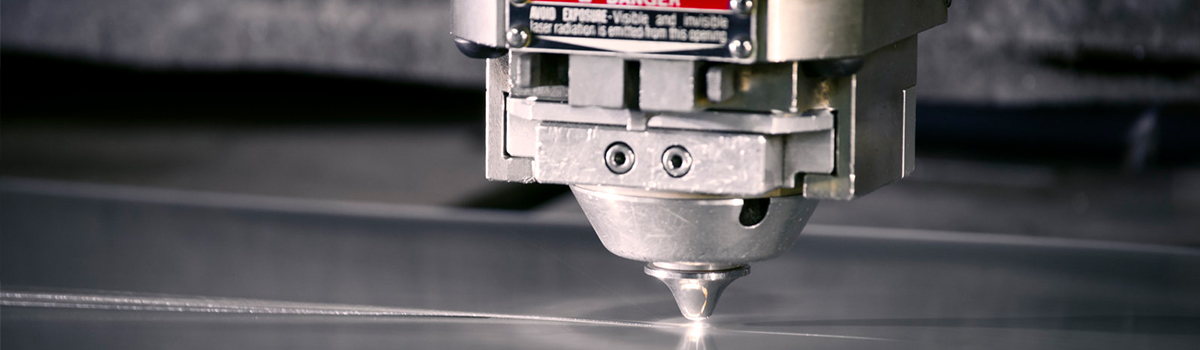

Automotive wiper blades are among the most frequently replaced safety components in vehicles, yet the precision tooling behind them remains largely invisible to drivers. The wiper blade mold—a sophisticated tooling system crafted from high-grade steel and precision-engineered for durability—forms the backbone of wiper component manufacturing, transforming molten plastic and rubber into the intricate shapes that keep windshields clear in all weather conditions.
Whether for traditional framed blades, modern frameless beam blades, or hybrid designs, the quality of the mold directly determines product consistency, longevity, and performance. As global vehicle fleets expand and safety standards tighten, understanding automotive wiper blade mold manufacturing has become essential for OEMs, aftermarket suppliers, and procurement professionals alike.
Injection Molds for Plastic Components
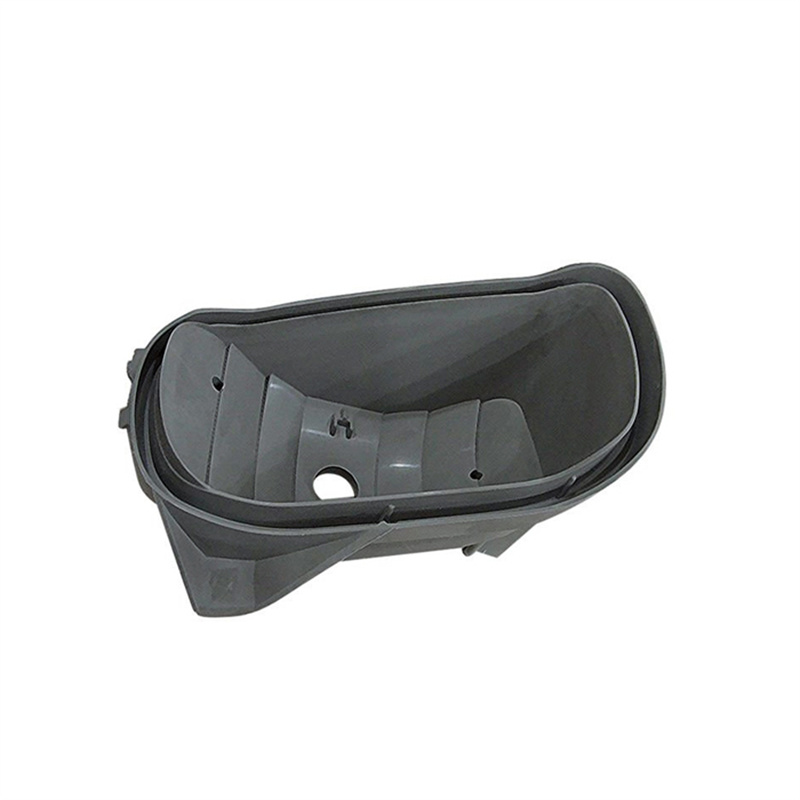
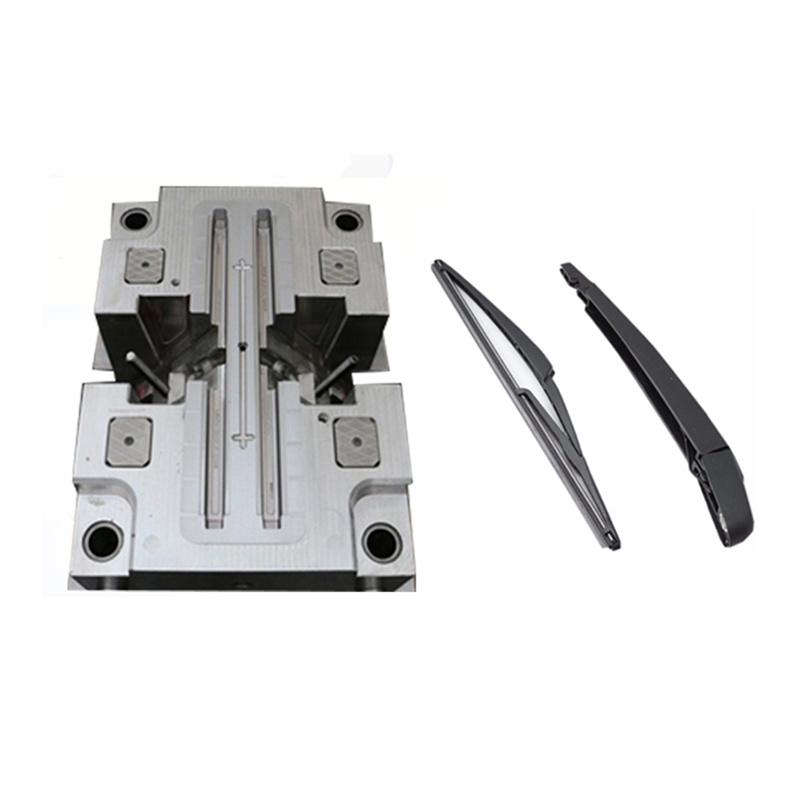
The majority of wiper blade structural components—including adapters, end caps, and linkage housings—are produced using plastic injection molding. The plastic auto injection windscreen wipers mold is a sophisticated tooling system that injects molten plastic into precisely engineered cavities to form the intricate shapes required for wiper systems.
Typical specifications include:
Specification Typical Range
Mold base steel P20 / S50c
Cavity/core steel 718 / H13 / P20
Material PA66 / PP+GF30
Mold cavity 1+1 to Multi-cavity
Production tolerance ±0.015 mm
For example, one documented wiper blade lower support body mold uses PP+GF30 material with a 1+1 cavity configuration, mold dimensions of 1540×1090×1025 mm, and achieves a 65-second shot cycle on a 1000T Haitian injection molding machine.
Extrusion Molds for Rubber Wiper Elements
The rubber wiping element—the functional part that contacts the windshield—is typically produced through continuous extrusion or injection molding of uncured rubber compounds. Elastomers such as natural rubber and EPDM blends are extruded through dies shaped to produce the characteristic wiping lip profile, then vulcanized in continuous curing lines.
Mold Design and Manufacturing Process
Design Phase
Designing an automotive windshield wiper mold is a detailed engineering process that begins with precise blueprints for wiper components. Key considerations include:
● Material properties – The mold must accommodate shrinkage rates, flow characteristics, and thermal behavior of the chosen plastic or rubber compound
● Part geometry – Complex shapes require careful cavity design, including undercuts, ribs, and snap-fit features
● Cooling channel layout – Uniform cooling prevents part deformation and shrinkage
● Venting systems – Adequate venting ensures trapped air escapes, preventing burn marks and incomplete fills
● Ejection systems – Strategically positioned ejector pins ensure clean part removal without surface damage
Manufacturing Phase
Modern wiper blade mold manufacturing relies on high-speed CNC machining centers operating at spindle speeds up to 16,000 rpm with tolerance requirements of ±0.015 mm. Key steps include:
1. Mold base preparation – Typically machined from P20 or S50c pre-hardened steel
2. Cavity and core machining – Ultra-precise milling, EDM (electrical discharge machining), or wire cutting
3. Surface finishing – Mirror-finish polishing for critical sealing surfaces; cavity surfaces typically require roughness ≤ Ra 0.05 μm for automotive class-A finishes
4. Assembly and fitment – Parting surfaces, slide blocks, wear plates, and sliders must achieve over 90% contact rate
5. Mold testing (T1 trial) – Injection tests validate part dimensions, appearance, and cycle time; products are inspected using CMM fixtures to analyze deformation values and assembly fit
6. Vacuum packaging – Molds are vacuum-sealed and fixed in wooden crates for corrosion-free sea transportation