
A motorcycle mold is a precision tool used to produce repeatable, dimensionally accurate parts through plastic injection molding. These molds define the structure, appearance, and functionality of critical components, making the quality of the mold itself the single most important factor determining the success of the final product.
For manufacturers and OEMs seeking custom motorcycle body molds, understanding the design and manufacturing capabilities of a mold supplier is essential. This article explores the comprehensive process of custom motorcycle mold manufacturing and highlights what sets industry-leading manufacturers apart.
Motorcycle plastic injection molds are used across a wide variety of components:
● Fairings and Body Panels – Requiring precise contours to create smooth, aerodynamic surfaces with perfect assembly fitment
● Front and Rear Fenders – Demanding impact resistance and dimensional stability
● Fuel Tank Covers – Focusing on impact resistance, durability, and aesthetic appeal
● Headlight and Taillight Covers – Requiring optical clarity through polished mold cavities
● Instrument Panels and Control Covers – Needing ergonomic designs and weatherproof sealing
The choice of plastic impacts mechanical strength, heat resistance, UV stability, and chemical resistance. Common materials include:
● ABS (Acrylonitrile Butadiene Styrene) – High impact resistance and superior surface finish; widely used for fairings and body panels
● Polycarbonate (PC) – Excellent toughness and optical clarity for lighting components
● Nylon (PA) with Glass Fiber – High mechanical strength and wear resistance for structural parts
● Polypropylene (PP) – Lightweight with high fatigue and impact resistance
● Glass-filled composites – Enhanced strength and heat resistance for demanding applications.
The Custom Mold Manufacturing Process: Engineering Excellence
Creating a motorcycle mold is a multi-step precision process that demands expertise in material science, mold design, and advanced manufacturing techniques.
1. Design and CAD Modeling
The process begins with detailed component design, driven by both functional and stylistic requirements. Using advanced Computer-Aided Design (CAD) software such as SolidWorks, CATIA, or Siemens NX, engineers create precise 3D models of both the part and the mold.
● Wall thickness uniformity – Ensures even cooling and minimizes warping
● Draft angles – Allows for easy part ejection from the mold
● Undercuts and complex geometries – May require advanced mold mechanisms such as side actions or lifters
● Gate placement optimization – Hot runner or cold runner systems minimize defects and improve flow
2. Mold Flow Analysis and Simulation
Before committing to fabrication, engineers conduct mold flow analysis using simulation software like Autodesk Moldflow or Moldex3D. These tools simulate the injection molding process virtually, providing critical insights into:
● Fill time and pressure distribution
● Weld line and air trap locations
● Cooling efficiency and cycle time estimation
● Potential for sink marks, warpage, or voids
Based on simulation results, the mold design is iteratively refined to optimize gate placement, venting, and cooling channel layout.
3. Tool Steel Selection
The longevity and performance of a mold depend heavily on material selection. High-quality molds for custom motorcycle parts are constructed using high-strength tool steels:
● P20 – Pre-hardened steel offering good machinability and durability
● H13 – High hot hardness and thermal fatigue resistance for high-volume production
● S136 Stainless Steel – Excellent corrosion resistance and polishability for high-gloss finishes
Steel molds are preferred for high-volume production due to their superior durability and longevity.
4. Precision CNC Machining
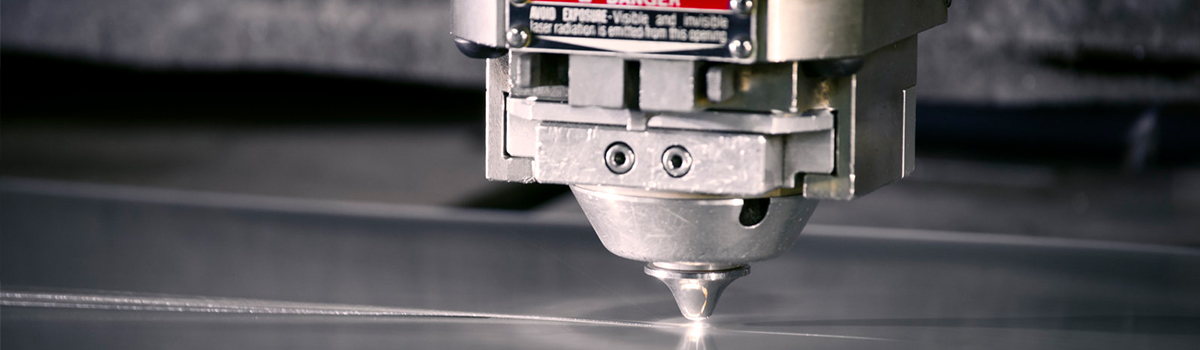
Computer Numerical Control (CNC) machining is fundamental to achieving precision in mold making. Key techniques include:
● 5-Axis CNC Milling – Allows complex geometries and high accuracy in mold cavities
● High-Speed Machining (HSM) – Reduces machining time while maintaining tight tolerances
● EDM (Electrical Discharge Machining) – Creates intricate geometries and fine surface details that are difficult to machine conventionally
● Wire EDM – Suitable for creating fine, intricate mold details
Leading manufacturers employ advanced processing equipment including high-speed CNC milling machines, grinding machines, wire cutting machines, and EDM systems.
5. Polishing, Texturing, and Surface Treatment
Depending on the resin and application, mold surfaces undergo various treatments:
● Mirror Polishing – Essential for molds producing transparent parts like headlight covers
● Texturing – Adds patterns or finishes to enhance grip or aesthetics
● Coatings – Hard chrome plating, PVD, nickel, titanium nitride (TiN), and DLC coatings enhance wear resistance and mold longevity
6. Trial Runs and Quality Validation
Once the mold is built, it undergoes trial runs to produce T1 (first trial) samples. This stage is critical for validating both mold performance and part quality. Samples are inspected for:
● Dimensional accuracy using Coordinate Measuring Machines (CMMs)
● Surface finish and aesthetics
● Fit and function within the motorcycle assembly
● Material properties through functional testing
Critical dimensions are maintained within ±0.02mm to ensure component fitment.
Zhejiang Yaxin Mould The world's leading motorcycle mold manufacturers combine decades of experience with cutting-edge technology to deliver molds that meet the most demanding requirements for precision, durability, and performance. Whether for OEM production runs or aftermarket customization, the right mold partner makes all the difference between a good part and a great one.
✔ One-stop solution – From concept design and mold making to production and assembly, we handle it all
✔ 20+ years of automotive mold experience – Proven track record with global OEMs and Tier 1 suppliers
✔ Advanced equipment – High-speed CNC, EDM, and 5-axis machining centers with continuous facility investment
Global quality standards – Serving customers across Europe, North America, and Asia


