

The automotive lighting industry is undergoing a profound transformation. As vehicles evolve from mere transportation devices into sophisticated digital platforms, lighting systems have emerged as critical brand signatures—serving styling, safety, and autonomous driving functions all at once. Behind every sleek headlight and intricate taillight assembly lies a specialized piece of engineering: the precision automotive lighting mold. For manufacturers with deep-rooted expertise in this field, the mold is not merely a production tool—it is the foundation upon which optical performance, dimensional accuracy, and mass-production reliability are built.
The days of single-material, single-color lamp housings are long behind us. Today’s automotive lighting molds incorporate sophisticated multi-shot technologies that enable seamless integration of complex geometries and dual-material functionality in a single manufacturing cycle. Two-shot (2K) injection molding has emerged as a game-changer for automotive lighting applications. Advanced 2K mold designs incorporate precision-controlled cooling channels and optimized injection sequencing, achieving tolerances as tight as 0.02mm while reducing cycle time by 35% compared to traditional assembly methods. This technology prevents delamination issues common in sequential molding processes and ensures optimal material bonding between PMMA and PC layers—critical for superior optical clarity and UV resistance.
For thick-walled optical components such as light guides and headlight lenses, specialized multi-shot processes enable molding of wall sections up to 35mm thick without distortion, significantly improving product quality and optical performance. Companies like KraussMaffei are pushing boundaries further with ColorForm technology, which applies precise polyurethane surfaces directly to thermoplastic components within the injection mold—combining design, function, and protection in a single, highly integrated manufacturing process.
CAD/CAE Integration: The Digital Backbone
Expertise in automotive lighting mold manufacturing begins long before any steel is cut. Leading manufacturers employ advanced CAD/CAE digital simulation workflows, from concept development through manufacturing feasibility validation, significantly reducing development risks. UG 3D modeling combined with mold flow analysis ensures optimal gate design, cooling system layout, and part filling performance—particularly crucial for multi-shot injection tooling. This simulation-driven approach enables rapid iteration between mold structure optimization and manufacturability verification, reducing trial cycles and shortening development lead times while ensuring high precision and stability in mass production.
Precision Manufacturing: From Design to Delivery
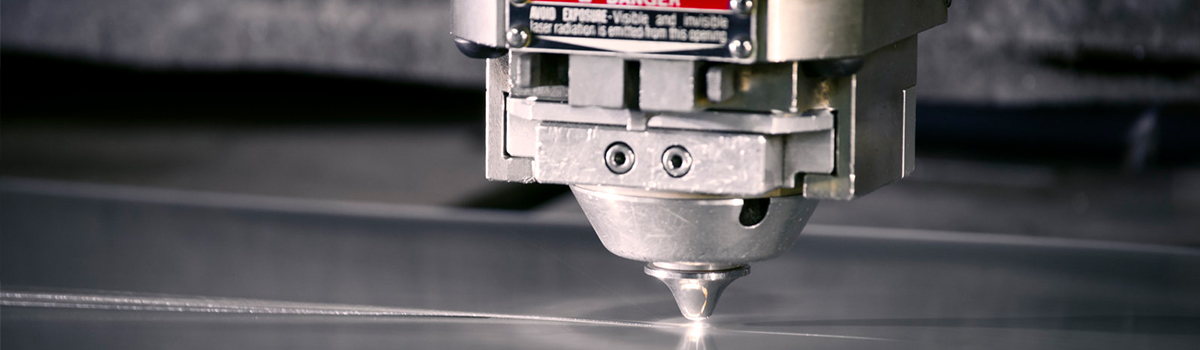
The translation of digital designs into physical molds requires world-class manufacturing capabilities. High-speed CNC machining centers, five-axis machining systems, and EDM (electrical discharge machining) technologies form the backbone of precision mold production. Dual-head EDM machines enable two electrodes to operate simultaneously for parallel processing of complex mold components, reducing overall machining cycle time by up to 40%. For automotive lighting applications—where surface finish directly impacts optical performance—every machining pass is optimized to achieve the highest possible surface quality.
Once components are machined, experienced technicians hand-fit and polish each mold, supporting insert molding, overmolding, and multi-material mold structures with rigorous in-process quality checks. Each mold undergoes full testing and trial runs to verify part accuracy, cooling efficiency, and cycle time before being released for mass production.
The Value of Proven Experience
What separates a good mold from an exceptional one is experience—the accumulated knowledge of thousands of production cycles, countless design iterations, and close collaboration with Tier 1 automotive suppliers and OEMs. Manufacturers with long-standing reputations in the lamp mold industry have developed expertise across headlights, taillights, fog lights, signal lamps, and lens systems. They understand the unique challenges of each application: how thermal management affects optical clarity, how gate placement influences flow patterns in thick-wall components, how cooling channel design must be adapted for parts with significant thickness variation.
· Multi-Shot Expertise: Proven track record in 2K and 3K injection molding for complex, multi-material lamp assemblies.
· Precision at Scale: Ability to achieve micron-level tolerances consistently across high-volume production runs.
· Industry Certification: IATF 16949 quality management systems that meet the most stringent automotive standards.
· Global Track Record: Experience serving major automakers across Asia, Europe, and the Americas.